Philip Cruz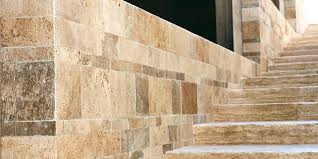
Travertine is a natural stone formed by mineral deposits from hot springs and limestone-rich waters. Known for its unique textures and natural patterns, Travertine stone has been used in architecture and design for centuries. Its warm tones and classic appeal make it a popular choice for both interior and exterior applications.
Why is travertine considered versatile in design?
Travertine offers unmatched versatility because it can be cut into various shapes and sizes, including tiles, slabs, pavers, and mosaics. Its natural color palette, ranging from beige and cream to gold and rust, complements different design themes—from traditional to modern minimalist. Designers often use it to create seamless transitions between indoor and outdoor spaces.
Where can travertine be used indoors?
Indoors, travertine is ideal for flooring, wall cladding, backsplashes, and countertops. Its natural textures add depth and elegance to living rooms, kitchens, bathrooms, and hallways. It is also commonly used for fireplace surrounds and accent walls, providing a sophisticated and timeless look.
Is travertine suitable for outdoor applications?
Yes, travertine is highly durable and weather-resistant, making it perfect for patios, pool decks, walkways, and garden paths. Its porous structure allows it to remain cool underfoot, which is especially beneficial for poolside areas. Additionally, travertine pavers are slip-resistant, providing both safety and aesthetic appeal for outdoor environments.
How does travertine enhance architectural design?
Travertine adds a natural, luxurious element to architectural projects. Its irregular patterns and veins create visual interest, while its range of finishes—from honed and polished to tumbled and brushed—offers flexibility for different styles. Architects and designers use travertine to achieve both elegant and contemporary looks, enhancing the overall character of buildings.
Can travertine be used for both commercial and residential projects?
Absolutely. Travertine is popular in residential spaces for kitchens, bathrooms, and living areas, and it is equally suitable for commercial settings like hotels, restaurants, office lobbies, and retail stores. Its durability and classic aesthetic make it a practical and stylish choice for spaces that experience high foot traffic.
What maintenance does travertine require?
Travertine is relatively low-maintenance. Regular cleaning with a mild, pH-neutral cleaner is sufficient to keep it looking fresh. Sealing the stone helps protect it from stains and moisture, especially in areas like kitchens and outdoor spaces. With proper care, travertine maintains its beauty for decades.
How does travertine compare to other natural stones?
Compared to granite or marble, travertine has a softer, more textured surface, offering a unique, organic look. It is lighter in weight than some stones, which can make installation easier, and its natural porous quality gives it a warm, inviting appearance. Travertine also responds well to various finishes, making it adaptable for multiple design needs.
Can travertine be combined with other materials?
Yes, travertine pairs beautifully with wood, metal, glass, and concrete. Its neutral tones complement modern and traditional materials alike, allowing designers to create layered, visually appealing spaces. For instance, a travertine floor can be enhanced with wooden furniture and metal accents for a balanced and sophisticated aesthetic.
What makes travertine a long-term investment in design?
Travertine’s durability, timeless beauty, and versatility make it a lasting investment for both interior and exterior projects. Its ability to adapt to different design styles ensures that spaces remain stylish for years, while its natural strength withstands daily use and outdoor conditions. Choosing travertine means investing in a material that adds value, elegance, and functionality to any project.
Conclusion
Travertine stone offers endless design possibilities thanks to its natural beauty, versatile applications, and enduring performance. Whether used indoors or outdoors, in residential or commercial projects, it enhances spaces with elegance, texture, and timeless appeal. Its adaptability and low maintenance make travertine an ideal choice for designers and homeowners seeking a premium natural stone solution.


 Robert D'costa