 Robert D'costa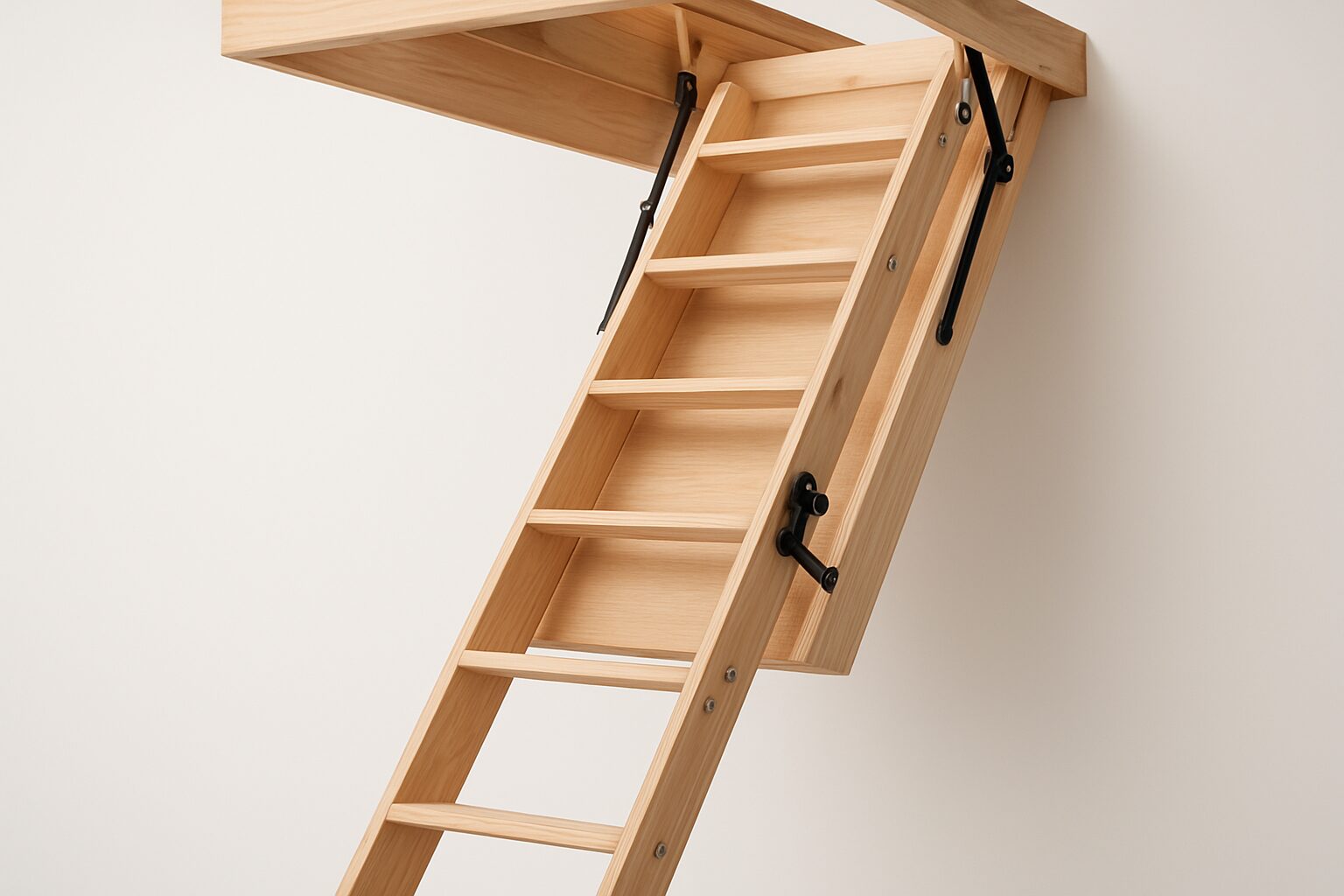
The loft ladder market offers more variety than most homeowners expect. Timber, aluminium, concertina, telescopic, insulated, wide-tread—each design serves a distinct purpose, and the wrong choice can mean years of frustration every time you need to access the space above.
Selecting the right loft ladders comes down to four key factors: ceiling height, hatch size, frequency of use, and the physical needs of the people using it.
What Are the Key Specifications to Check?
Before shortlisting any product, gather the following measurements:
Floor-to-ceiling height: This determines the minimum and maximum ladder length you need.
Hatch opening dimensions: Width and length dictate which ladder types will physically fit.
Loft floor depth: Some ladders require adequate clearance above the hatch for storage when folded.
Weight capacity requirements: Consider the heaviest items—and person—that will regularly use the ladder.
Most professional installers will take these measurements during a pre-installation survey, removing the guesswork entirely.
What Does the Market Data Tell Us?
According to industry sales data, folding timber loft ladders account for the largest share of the residential market, valued for their aesthetic appeal and generous tread width. Concertina aluminium designs have seen the fastest growth in recent years, driven by smaller modern homes with compact hallway spaces.
Insulated loft ladders—models fitted with thermally efficient hatch covers—have also gained significant traction, reflecting growing homeowner interest in energy efficiency and heat retention.
What Are the Most Common Questions When Choosing a Loft Ladder?
What ceiling height is considered standard for loft ladder installation?
Most UK homes have floor-to-ceiling heights between 2.3 m and 2.6 m. Ladders are typically available in ranges that cover 2.2 m to 3.0 m, with extended options for taller spaces.
How wide should the hatch opening be for comfortable access?
A hatch width of at least 550 mm is recommended for general use. Wider openings of 700 mm or more are preferred when large or heavy items will be carried through regularly.
What is the best loft ladder for frequent daily use?
Wide-tread folding timber ladders with dual handrails are best suited to daily use, offering the most comfortable and stable climbing experience.
Are fire-rated loft ladders necessary?
Fire rating is required when the loft is a habitable space accessed from a fire escape route. In these cases, look for ladders with certified fire resistance ratings appropriate to the building’s specification.
What is the benefit of an insulated loft hatch cover?
An insulated cover reduces heat loss through the loft opening, which can account for a meaningful portion of overall home heat loss—particularly in older properties with limited draught-proofing.
How important is the load rating for a residential loft ladder?
Very important. A 150 kg minimum load rating is standard, but if the loft will be used for substantial storage or accessed by larger adults, a 200 kg rating provides a meaningful additional margin of safety.
Should I choose timber or aluminium?
Timber offers warmth underfoot and a more traditional appearance. Aluminium is lighter, more resistant to humidity changes, and often more compact when folded. Both are durable when properly maintained.
Can loft ladders be painted or stained to match interior décor?
Timber ladders can be painted or stained like any other wooden fixture. Aluminium ladders are available in various factory finishes but are not typically suitable for painting.
How much should I budget for a quality loft ladder?
Quality residential loft ladders range from approximately £150 to £600, excluding installation. Higher-end models include premium timber, insulated hatches, and enhanced load ratings.
Match the Ladder to the Life You Live
The best loft ladder isn’t necessarily the most expensive one—it’s the one that fits your specific space, suits the people using it, and holds up to your usage patterns over time. Take precise measurements, consult a professional if you’re unsure, and invest in quality where it matters most: load capacity and tread safety.



 Philip Cruz