Philip Cruz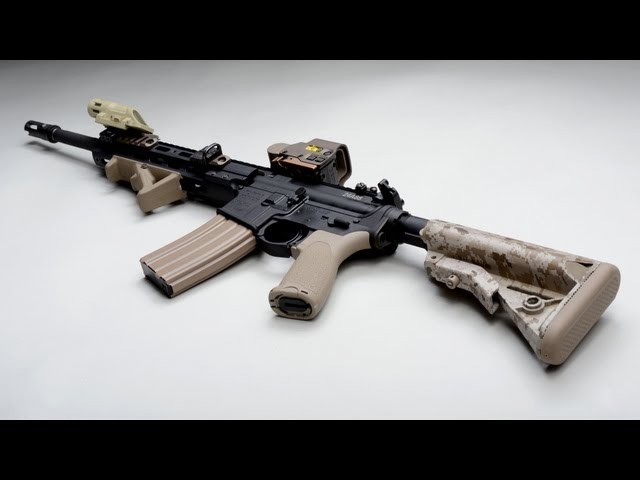
Choosing a technical training program often leads prospective students to consider whether a school offers the right balance of training and value. Prospective students often search for phrases like Sonoran Desert Institute Cost because they want a clearer picture of what they receive for their effort and tuition. That is a reasonable way to frame any decision about education. Sonoran Desert Institute (SDI), which is accredited by the Distance Education Accrediting Commission (DEAC), focuses on firearms and uncrewed technology education and is often referenced when prospective students examine how technical programs combine theoretical coursework with practical assignments. One feature that appears in many firearms technology training discussions is the use of a project firearm that students work with across multiple lessons.
A project firearm serves as a consistent learning platform that students use throughout the training program. Rather than encountering different equipment in every lesson, learners interact with the same system repeatedly. This approach allows students to observe how components fit together, how mechanical systems operate, and how inspection and maintenance procedures apply to real platforms.
Why Consistency Matters in Technical Training
Consistency plays an important role in technical education. When students interact with the same mechanical system across multiple assignments, they become familiar with its design and function. This familiarity reduces confusion that might arise when learners switch frequently between different platforms. Working with a consistent platform allows students to focus on developing procedural knowledge rather than constantly learning new system layouts.
This approach supports gradual learning. Students first observe how the system operates and later examine it more closely through inspection and maintenance exercises. Each interaction builds on previous experience, helping learners deepen their understanding of the platform.
Practicing Inspection Skills with a Project Platform
Inspection forms a central part of firearms technology training. Technicians must examine components carefully to understand their condition and function. A project firearm provides a reliable platform for practicing these inspection procedures.
Students learn to observe key components and identify mechanical features during early coursework. As training progresses, inspection assignments may involve evaluating alignment points, contact surfaces, or other areas where mechanical interaction occurs. Working with the same firearm allows learners to compare observations across multiple lessons.
Learning Assembly and Disassembly Procedures
Assembly and disassembly tasks provide valuable opportunities for hands-on learning. Through these assignments, students practice the steps required to take a firearm system apart and return it to its proper configuration. Using a project firearm allows students to repeat these procedures across several courses. Early assignments may involve guided disassembly with detailed instructions. Later tasks may require students to perform similar steps with greater independence.
Repeated practice reinforces the sequence of mechanical actions required during assembly and disassembly. Students learn how parts interact and how careful handling protects component integrity. This repetition supports procedural memory and improves efficiency over time.
Supporting Maintenance and Care Procedures
Routine maintenance forms another important part of firearms technology education. Students learn how cleaning, inspection, and careful handling contribute to system reliability. A project firearm provides a consistent reference point for practicing these procedures. Maintenance assignments may involve examining surfaces for residue, checking component condition, and applying appropriate cleaning methods. Through repeated work with the same platform, students observe how maintenance practices support proper mechanical operation.
This repeated interaction also encourages careful handling habits. Students learn to approach maintenance tasks methodically, verifying system condition and documenting each step of the process. These routines help reinforce safe and responsible technical work.
Reinforcing Learning Through Repetition
One of the key benefits of a project firearm is the opportunity for repeated interaction. Technical skills develop through practice, and repetition helps students strengthen both mechanical understanding and safe handling habits. Each assignment that involves the project platform reinforces lessons introduced earlier in the program. Students revisit familiar components while applying new knowledge about inspection, maintenance, or mechanical operation. This layered learning approach supports long-term retention.
Repetition also helps learners recognize how different technical concepts relate to the same system. For example, a lesson about mechanical theory may later connect to inspection tasks involving the same components. This connection helps students see how theoretical ideas influence real mechanical work.
Observing Mechanical Patterns Over Time
Repeated exposure to the same firearm platform allows students to observe patterns in mechanical function. These patterns become more noticeable as learners interact with the system across multiple assignments. Students may notice how components align during assembly or how certain parts move during operation. Recognizing these patterns strengthens understanding of how firearm systems function as integrated mechanical structures.
Observing patterns also supports diagnostic thinking. When learners understand what normal operation looks like, they are better prepared to identify irregularities during inspection tasks. This awareness helps students develop analytical habits useful in technical work. Working with a project firearm over an extended period provides opportunities for these observations to develop naturally. Each assignment contributes to a deeper understanding of the system.
Evaluating Program Value Through Practical Experience
For prospective students reviewing firearms technology training programs, the presence of a project firearm can offer insight into how the curriculum approaches practical learning. Programs that incorporate consistent platforms allow students to apply theoretical lessons through repeated hands-on assignments.
For anyone searching phrases like Sonoran Desert Institute cost against the quality of instruction, structured interaction with a project firearm provides useful context. Consistent mechanical practice allows students to apply classroom concepts while developing familiarity with inspection, assembly, and maintenance procedures. Practical assignments built around a single platform help students see how mechanical systems operate over time. This approach reinforces learning by connecting theory with repeated observation and hands-on work.
Building Technical Skills Through Consistent Practice
The educational role of a project firearm extends beyond a single assignment. It becomes a central learning tool that supports multiple aspects of technical training. Inspection tasks, assembly procedures, and maintenance exercises all draw on the same platform to reinforce understanding. This consistent interaction allows students to develop mechanical familiarity gradually. Each lesson adds another layer of experience, helping learners build confidence and technical awareness.
Technical education benefits when theoretical instruction and practical work reinforce each other. A project firearm provides the structure needed to connect these elements across an entire training program. Through repeated practice with a consistent platform, students gain the opportunity to observe mechanical systems closely, refine technical procedures, and strengthen their understanding of firearm mechanics. These experiences contribute to the development of reliable technical skills that support responsible work in firearms technology fields.