Philip Cruz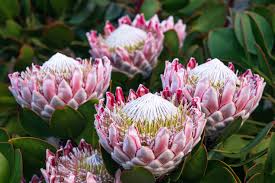
The natural world offers countless wonders, but few are as visually striking and culturally meaningful as the Protea National Flower, a powerful symbol of transformation, resilience, and natural elegance. Known for its bold structure and vibrant presence, the protea represents South Africa’s unique biodiversity and stands as one of the most admired floral icons in the world.
What Makes the Protea National Flower So Special?
The protea flower is famous for its dramatic appearance and architectural beauty. Its large bloom is made up of thick, colorful bracts surrounding a dense cluster of tiny flowers in the center. This creates a crown-like shape that appears both wild and elegant at the same time. The plant itself comes in many varieties, but the King Protea is the most iconic among them. Its ability to thrive in harsh conditions while producing such stunning blooms makes it a symbol of strength and endurance.
Where Does the Protea National Flower Grow Naturally?
The protea is native to South Africa, particularly the Cape Floristic Region, which is one of the richest plant biodiversity hotspots in the world. It grows in nutrient-poor soils, often in mountainous and coastal regions where other plants struggle to survive. The plant is well adapted to fire-prone environments, where natural fires actually help stimulate new growth and regeneration. This unique adaptation allows the protea to flourish in a challenging ecosystem.
Why Is the Protea National Flower Important to South Africa?
As a national symbol, the protea reflects the diversity and unity of South Africa. It represents the country’s ability to grow and thrive despite challenges. The flower is widely used in national emblems, sports teams, and cultural representations, making it a proud identity marker for the nation. Beyond symbolism, it also highlights the importance of conserving South Africa’s rich natural heritage and protecting its unique ecosystems for future generations.
How Is the Protea National Flower Used in Art and Culture?
The protea is highly valued in floral arrangements, weddings, and decorative design due to its bold and long-lasting blooms. Its unique shape and vibrant colors make it a favorite among florists and artists. In cultural expressions, it symbolizes change, hope, and diversity. Many designers incorporate protea-inspired patterns into fashion, jewelry, and home décor, reflecting its timeless beauty and symbolic depth. It continues to inspire creativity across different artistic fields.
What Are the Conservation Efforts for the Protea National Flower?
Although many protea species are resilient, some face threats from habitat destruction, invasive plant species, and climate change. Conservation efforts in South Africa focus on preserving natural habitats like fynbos ecosystems, where proteas naturally grow. Protected areas, controlled burning practices, and seed conservation programs help maintain healthy populations. Environmental education also plays an important role in raising awareness about the importance of protecting native plant species like the protea.
What Is the Global Significance of the Protea National Flower?
Beyond South Africa, the protea has gained international recognition as a symbol of uniqueness and natural beauty. It is widely cultivated in gardens around the world and used in premium floral arrangements. Its exotic appearance and long vase life make it highly desirable in global markets. The flower’s symbolism of courage and transformation resonates universally, allowing it to connect cultures and inspire admiration far beyond its native land.